Raising African Children in Germany Requires More Than Love
When people move to Germany, they spend a lot of time preparing for the obvious things.
Finding a job.
Learning German.
Looking for an apartment.
Understanding visas.
But very few people prepare for one of the biggest adjustments they’ll ever make:
Parenting.
For many African families, raising children in Germany isn’t simply parenting in a different country. It’s learning an entirely different system—one with different expectations, different laws, and different ideas about what children need to thrive.
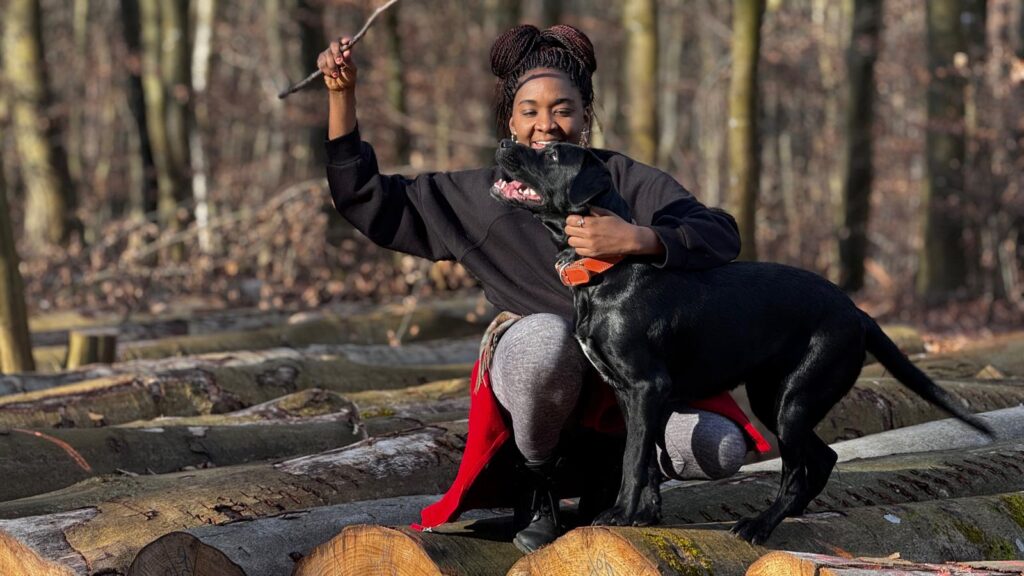
That was one of the biggest lessons I took away from my conversation with child educator Chioma Igbo.
“There Is No Shortcut”
One statement stayed with me throughout our conversation.
“Coming to Germany is starting all over. There is no shortcut here.”
She wasn’t only talking about careers.
She wasn’t only talking about learning German.
She was talking about parenting too.
Many of us arrive carrying the methods we grew up with. That’s natural. After all, those are the only examples we’ve known.
But Germany asks parents to learn a new system.
Understanding children’s rights.
Knowing what schools expect.
Communicating with teachers.
Learning how educational institutions work.
It isn’t about abandoning your values.
It’s about understanding the environment your children are growing up in.
Language Isn’t Just About Integration
One point Chioma returned to repeatedly surprised me.
Many immigrants see learning German as something to do for paperwork, work, or permanent residency.
She sees it differently.
Learning German is part of protecting your children.
If your child is struggling at school…
If they’re being bullied…
If you need to speak to teachers…
If you need to advocate for them…
Language suddenly becomes much more than a certificate.
It becomes your ability to stand beside your child when they need you most.
That perspective changed the way I think about language learning.
Parenting Can’t Stay Exactly the Same
One of the strongest moments in the interview came when Chioma said:
“Parenting your children exactly the way your parents raised you will not work.”
It’s an uncomfortable statement.
Not because our parents didn’t love us.
Many sacrificed everything for us.
But parenting evolves with time, culture, and environment.
Children growing up in Germany experience a different world from the one many African parents grew up in.
That doesn’t mean African values should disappear.
It means communication, trust, and emotional safety become just as important as discipline.
Identity Begins at Home
One part of our conversation felt especially important.
Many children growing up in Europe find themselves caught between two worlds.
Too African for one place.
Not African enough for another.
When children don’t understand where they belong, confidence often becomes one of the first things they lose.
Chioma believes identity starts with the small things many families overlook.
Speaking your language at home.
Cooking traditional food.
Teaching children where they come from.
Helping them understand that their natural hair, their skin, and their culture are not problems to overcome—they’re part of who they are.
Representation matters.
But identity begins long before children see themselves on television or social media.
It begins around the dinner table.
Parenting Is Also Learning
One thing I appreciate about conversations like this is that they remind me none of us have all the answers.
Parenting in another country doesn’t come with a manual.
Most parents are simply doing the best they can with the information they have.
The encouraging part is that learning doesn’t stop once our children are born.
We can ask questions.
We can change.
We can grow alongside them.
That may be one of the greatest gifts we give our children—not perfection, but the willingness to keep learning.
Afrodites Space exists to document the lived experiences of Black women building lives across Germany and Europe.
Every story is different, but together they create something larger: a growing archive of the lessons, challenges, and quiet moments that rarely make the headlines but shape everyday life.
If you haven’t watched the full conversation with Chioma yet, I encourage you to do so. Whether you’re already raising children in Germany or simply thinking about what the future might look like, it’s a conversation that offers far more than parenting advice. It invites us to think about what it truly means to build a family in a new country.