

The Renaissance of African Youth: Reclaiming the Bold Spirit of Their Ancestors
In recent years, a remarkable transformation has been sweeping across African communities both on the continent and in the diaspora. Today’s African youth are increasingly characterized by their willingness to question established norms, challenge authority, and fight for their rights—a sharp contrast to the more deferential attitude often expected in traditional African households. While some parents, particularly mothers, may find this shift disconcerting, I personally see it as a powerful reclamation of the boldness that once defined African womanhood before certain religious and colonial influences took hold.
The Historical Legacy of Bold African Women
The notion that African women were traditionally submissive is a misconception that erases a rich history of female leadership and resistance. In 1929, Igbo women in southeastern Nigeria organized what became known as the Aba Women’s Riots—a massive protest against colonial taxation policies that threatened their economic independence. Thousands of women employed traditional protest methods like “sitting on a man” (surrounding a man’s house while singing songs of ridicule) to demand political change (Van Allen, 1972).
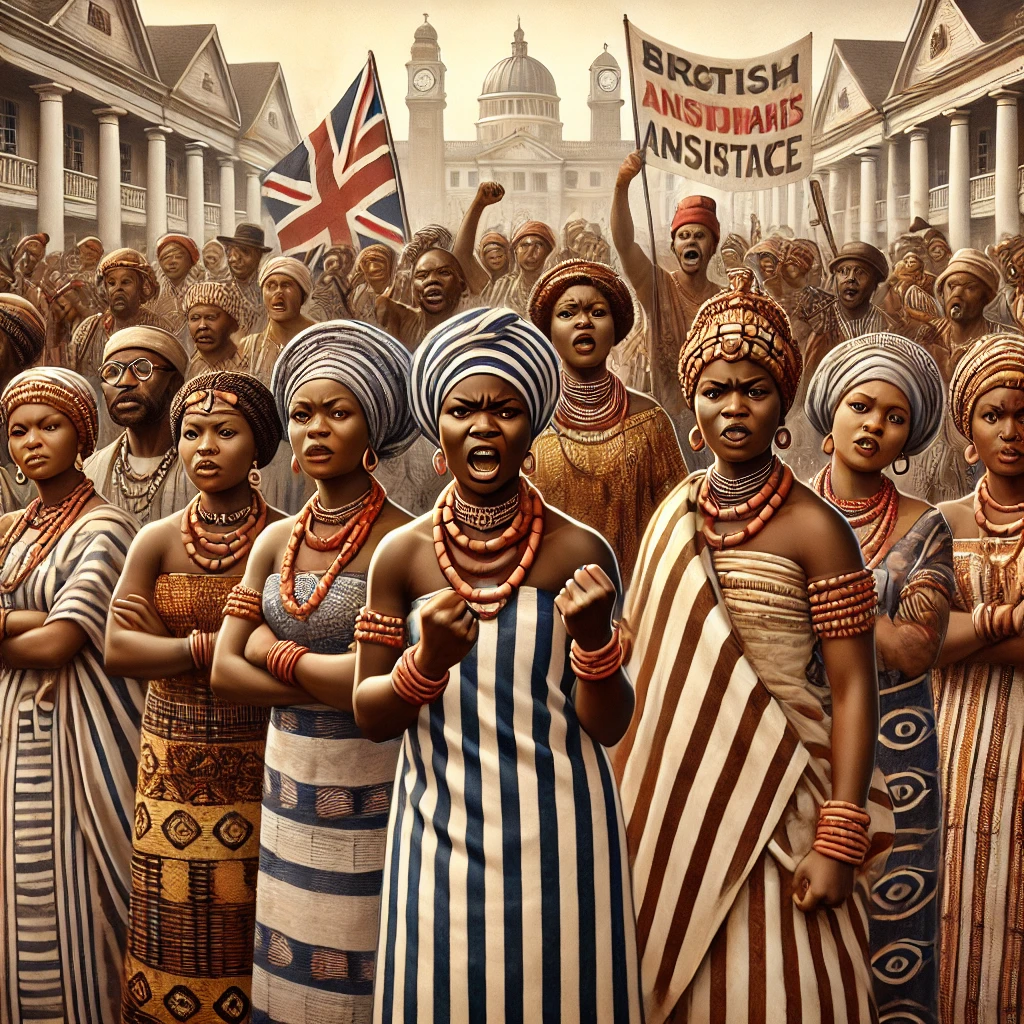
This wasn’t an isolated incident. Throughout the 20th century, African women continued to lead movements for social change. In the early 1990s, market women across Nigeria mobilized against the harmful effects of Structural Adjustment Programs imposed by international financial institutions. Their protests were crucial in highlighting how these economic policies disproportionately harmed women and families (Okome, 2000).
Before these modern movements, Africa had a long tradition of female leadership—from Queen Amina of Zazzau who expanded her kingdom’s territory in the 16th century, to Yaa Asantewaa who led the Ashanti rebellion against British colonialism in 1900. These women embodied a spirit of boldness that seems to be reemerging in today’s youth.
The Complex Impact of Religious Spread
While religion has brought many positive values to African communities, certain interpretations of both Christianity and Islam have contributed to more restrictive gender roles. As Mahmood (2011) notes in her work on religious revival, particular religious movements have sometimes emphasized women’s submission while downplaying the religion’s teachings on justice and equality.
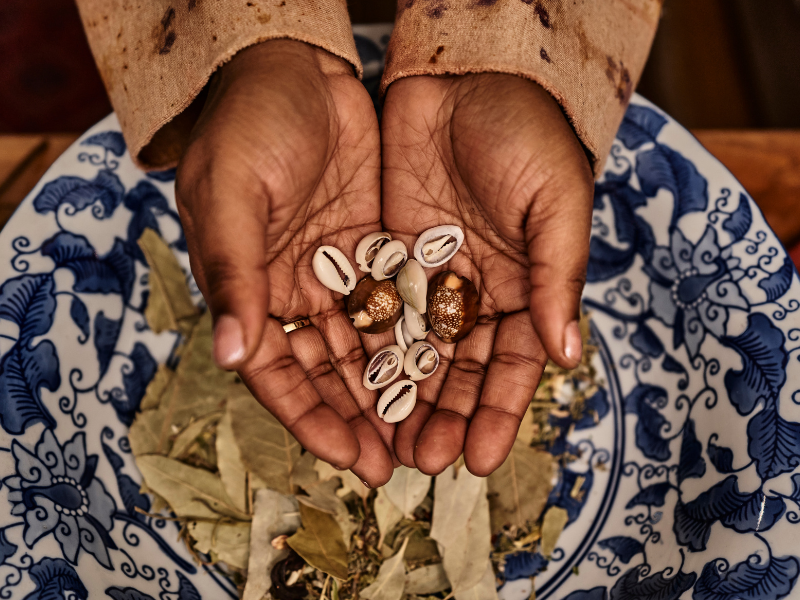
Kalu (2008) observes that some forms of African Pentecostalism, while empowering in certain aspects, have sometimes reinforced patriarchal family structures that limit women’s public leadership. This religious shift coincided with colonial policies that often marginalized women’s traditional political roles, creating a double blow to female autonomy.
The Diaspora Connection: Cross-Pollination of Ideas
African youth in the diaspora are playing a crucial role in this renaissance of boldness. As Zeleza (2010) discusses, the modern African diaspora creates complex networks of cultural exchange. Young Africans raised in Europe, America, and elsewhere bring different perspectives on individual rights, while maintaining connection to their heritage. This cross-pollination of ideas strengthens youth movements on the continent.
We saw this dynamic clearly during the #EndSARS protests in Nigeria, where diaspora youth amplified local voices and helped bring international attention to police brutality. Similarly, the #FeesMustFall movement in South Africa benefited from global solidarity networks.
Why Some Mothers Worry
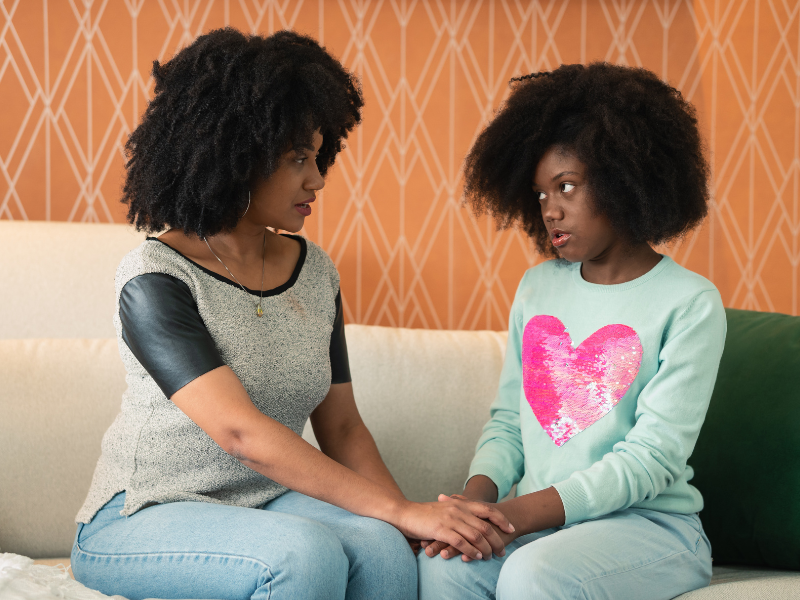
It’s understandable that some African mothers find this new boldness concerning. Many were raised to believe that questioning authority—especially male or religious authority—would lead to social rejection or even danger. Their caution comes from a place of love and protection.
Additionally, there’s legitimate concern about cultural preservation. As youth adopt more globalized perspectives, some parents worry about the loss of languages, traditions, and values that have sustained communities for generations.
Why This Boldness Matters for Africa’s Future
Despite these concerns, I believe this questioning spirit is exactly what Africa needs to address its most pressing challenges. Young Africans who can think critically are better equipped to:
- Create innovative solutions to economic and environmental problems
- Build more inclusive and equitable political systems
- Challenge corruption and mismanagement
- Preserve what’s valuable in tradition while discarding harmful practices
The boldness we’re seeing isn’t disrespect—it’s the same courage that animated their great-grandmothers who fought colonialism, challenged unjust rulers, and protected their communities. Today’s youth are not breaking with tradition so much as reclaiming an older, more authentic tradition of African boldness that was temporarily suppressed.
Moving Forward Together
The most productive path forward isn’t conflict between generations, but dialogue. Elders have wisdom and experience that youth need, while young people have energy and new perspectives that can revitalize communities. By recognizing that today’s questioning spirit is actually connected to a deeper African tradition of boldness, we can bridge the generational divide.
As an African parent myself, I choose to see my children’s questions not as threats but as signs that they’re developing the strength they’ll need to thrive in a complex world. By supporting their growth while sharing our values and history, we can help raise a generation that combines the best of tradition with the innovation needed for the future.
The bold African women of yesterday would recognize themselves in today’s youth. They too questioned, challenged, and demanded better—and Africa was stronger for it.
Note: While this blog post draws on scholarly sources, readers should consult the original works for more comprehensive understanding of these complex historical and social dynamics.